+255744701071 info@crossrootsheritagetours.co.tz

Login

Sign Up

After creating an account, you'll be able to track your payment status, track the confirmation and you can also rate the tour after you finished the tour.
Username*
Password*
Confirm Password*
First Name*
Last Name*
Birth Date*
Email*
Phone*
Country*
* Creating an account means you're okay with our Terms of Service and Privacy Statement.
Please agree to all the terms and conditions before proceeding to the next step

Already a member?

Login
+255744701071 info@crossrootsheritagetours.co.tz

Login

Sign Up

After creating an account, you'll be able to track your payment status, track the confirmation and you can also rate the tour after you finished the tour.
Username*
Password*
Confirm Password*
First Name*
Last Name*
Birth Date*
Email*
Phone*
Country*
* Creating an account means you're okay with our Terms of Service and Privacy Statement.
Please agree to all the terms and conditions before proceeding to the next step

Already a member?

Login

FROM PRE-COLONIAL, ARAB AND COLONIAL ERA: DAR ES SALAAM WALKING TOUR

0
Price
From$20
Price
From$20
Booking Form
Enquiry Form
Full Name*
Email Address*
Your Enquiry*
* I agree with Terms of Service and Privacy Statement.
Please agree to all the terms and conditions before proceeding to the next step
* Please select all required fields to proceed to the next step.

Proceed Booking

Save To Wish List

Adding item to wishlist requires an account

22

Why Book With Us?

  • No-hassle best price guarantee
  • Customer care available 24/7
  • Hand-picked Tours & Activities
  • Free Travel Advisories

Get a Question?

Do not hesitage to give us a call. We are an expert team and we are happy to talk to you.

+255744701071

info@crossrootsheritagetours.co.tz

3hrs
Max People : 20
Tour Details
Dar es Salaam Historical Walking Tour (3 Hours)
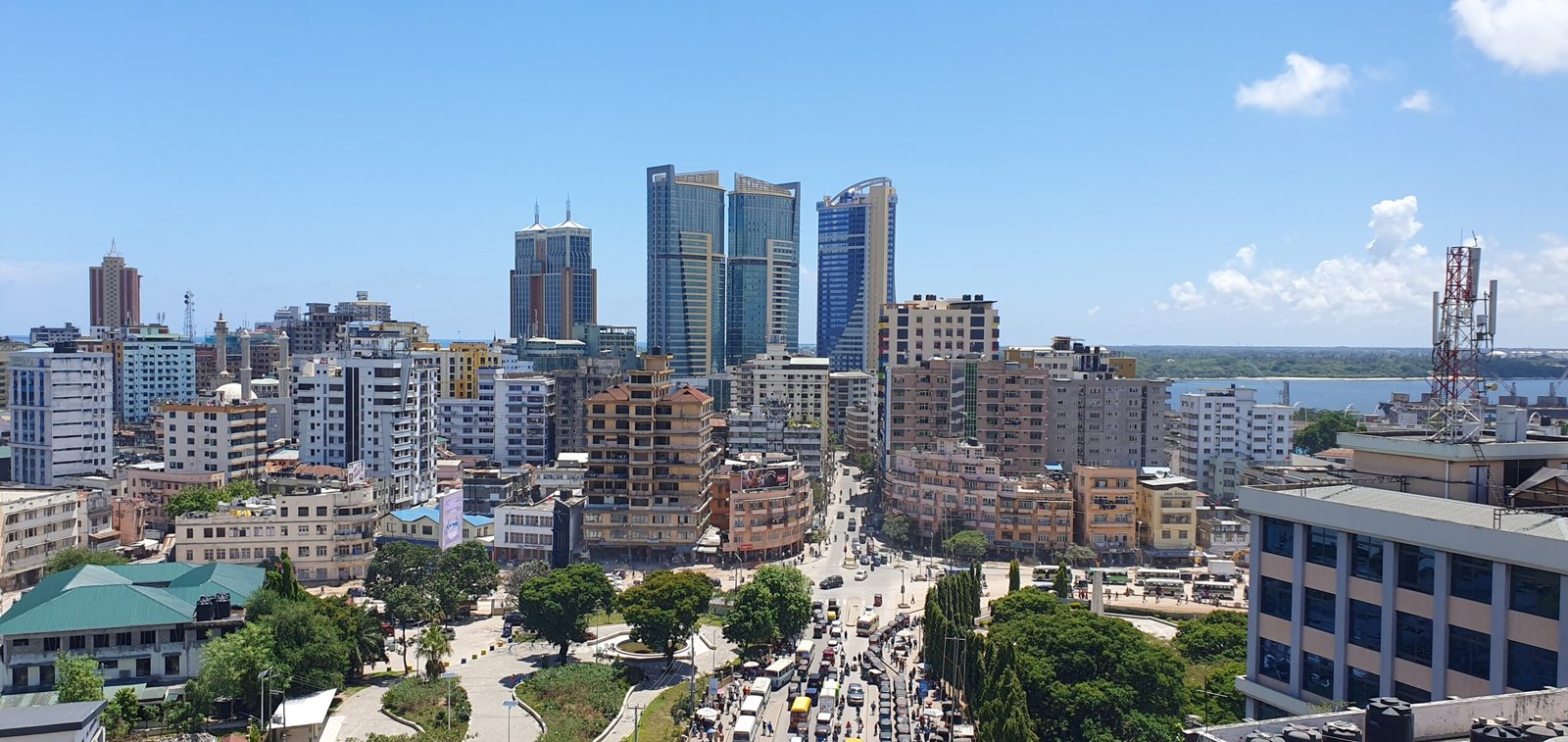
This walking tour takes visitors on a journey through the historical evolution of Dar es Salaam, from its pre-colonial Swahili roots, through Arab influence, to the German and British colonial periods. The tour helps visitors understand how the city developed and how it was historically divided into three main zones, each shaped by different communities, power structures, and urban planning systems.
Why This Tour Is Important
  • It explains how Dar es Salaam was formed and why it looks the way it does today
  • It shows the social and spatial segregation introduced during colonial rule
  • Visitors learn about Swahili culture, trade, religion, and architecture
  • It connects historical events to modern Dar es Salaam life
  • Ideal for history lovers, students, cultural tourists, and first-time visitors

Tour Structure & Key Zones
1. Pre-Colonial & Swahili–Arab Zone (Old Coastal Settlement)

Key Focus: Swahili culture, Arab traders, early urban life

Visitors begin by learning about the area before colonial rule, when Dar es Salaam (originally Mzizima) was a small Swahili fishing and trading settlement.

Key highlights may include:

  • Early Swahili coastal life and Indian Ocean trade

  • Role of Sultan Majid of Zanzibar, who named Dar es Salaam (“Haven of Peace”)

  • Arab influence on religion (Islam), language (Kiswahili), and architecture

  • Historic mosques and old trading routes

  • Traditional Swahili urban organization

Learning outcome:
Visitors understand Dar es Salaam’s African and Arab foundations before European rule.


2. Colonial Administrative Zone (European Quarter)

Key Focus: German and British colonial planning & governance

This zone was developed by German colonial authorities and later expanded by the British. It was reserved mainly for Europeans and colonial administration.

Key highlights may include:

  • German colonial buildings and institutions

  • British administrative structures

  • Churches, courts, and government buildings

  • European urban planning concepts (wide streets, official quarters)

  • The port and railway’s role in colonial economy

Learning outcome:
Visitors learn how colonial powers reshaped the city for control, trade, and administration.


3. Asian & African Residential Zone

Key Focus: Social segregation and multicultural life

This zone illustrates how colonial authorities divided the city based on race and economic roles.

Key highlights may include:

  • Areas historically occupied by Asian traders (Indian, Goan communities)

  • African residential neighborhoods and labor areas

  • Markets, shops, and trading streets

  • Stories of coexistence, resistance, and adaptation

  • Contribution of Asian and African communities to the city’s economy

Learning outcome:
Visitors understand how Dar es Salaam was divided into three zones—European, Asian, and African—and how these divisions still influence the city today.

Tour Conclusion
The tour ends with a reflection on how pre-colonial traditions, Arab trade networks, and colonial urban planning together shaped modern Dar es Salaam. Visitors leave with a deeper appreciation of the city’s layered history, cultural diversity, and resilience.

TOUR PRICE

Solo Traveler $45

  • 2 -5 Travelers $ 30 per person
  • 6 – 15 Travelers $ 20 per person


Historical Tour

walking along the city center

duration of the tour

3 hours tour

Price Includes

  • A bottle of Water
  • Historical and Licensed Heritage Guide
What to Expect


  • A guided walk through the heart of Dar es Salaam, exploring key historical streets and landmarks

  • Clear storytelling covering pre-colonial Swahili life, Arab influence, and German & British colonial rule

  • An explanation of how Dar es Salaam was historically divided into three zones: European, Asian, and African areas

  • Visits to important historical buildings and monuments (administrative buildings, religious sites, old trading areas)

  • Insights into urban planning, architecture, and social life during different historical periods

  • Stories about trade, religion, migration, and everyday life that shaped the city

  • A chance to see how history connects to present-day Dar es Salaam

  • Opportunities to ask questions and interact with the guide

  • A relaxed pace suitable for most visitors

Expect to gain:
✔ A deeper understanding of Dar es Salaam’s history
✔ Appreciation of its multicultural heritage
✔ Meaningful context before exploring the city on your own

Itinerary

3HRS AWALKING TOUR

Dar es Salaam Historical Walking Tour – 3 Hours

From Pre-Colonial, Arab & Colonial Era

Meeting Point

📍 Old Boma Building
Introduction to Dar es Salaam’s origins as Mzizima, its transformation under Arab rule, and later German colonial administration. The Old Boma is one of the oldest surviving buildings and sets the historical context for the tour.


1. St. Joseph’s Cathedral

A fine example of German colonial architecture. Learn about Christianity during colonial rule and how religious institutions shaped the European zone.


2. Atiman House

One of the tallest buildings of its time, reflecting early commercial growth and modern urban development during the late colonial and post-colonial period.


3. Old Post Office

A symbol of colonial communication systems, linking Dar es Salaam to the wider colonial world through mail and trade networks.


4. Karimjee (Toyota Automark)

A landmark connected to the Asian merchant community, highlighting the role of Indian traders in commerce and urban development.


5. Azania Front Lutheran Church

Formerly a German church, representing religion, architecture, and German influence in the colonial administrative zone.


6. New Africa Hotel

An iconic building reflecting British colonial and post-independence social life, hosting important visitors and events.


7. Askari Monument

A powerful monument commemorating African soldiers who served during World War I, offering insight into African participation in colonial conflicts.


8. Court of Appeal of Tanzania

Learn about the evolution of the legal system from colonial courts to Tanzania’s modern judiciary.


9. Hyatt Regency (Kilimanjaro Hotel)

A key landmark showing urban continuity, modernization, and the city’s changing skyline.


10. Bank of Tanzania (Central Bank)

Discussion on economic history, currency, and how Dar es Salaam became Tanzania’s financial hub.


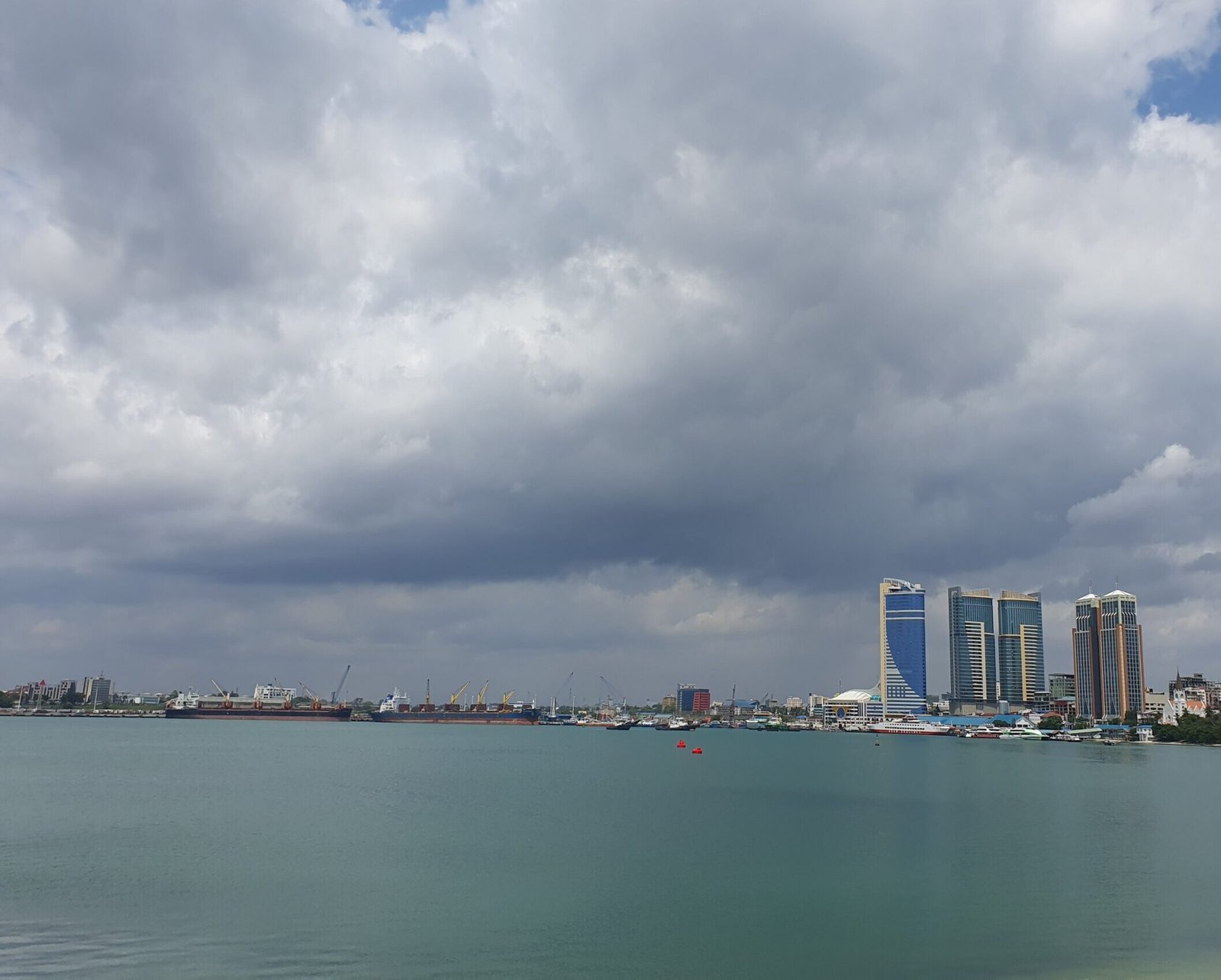
11. Ferry Fish Market

Experience the living culture of coastal trade, fishing traditions, and the Indian Ocean’s role in the city’s economy.


12. Indian Residential Area

Walk through an area historically settled by the Asian community, learning about colonial residential segregation and multicultural coexistence.


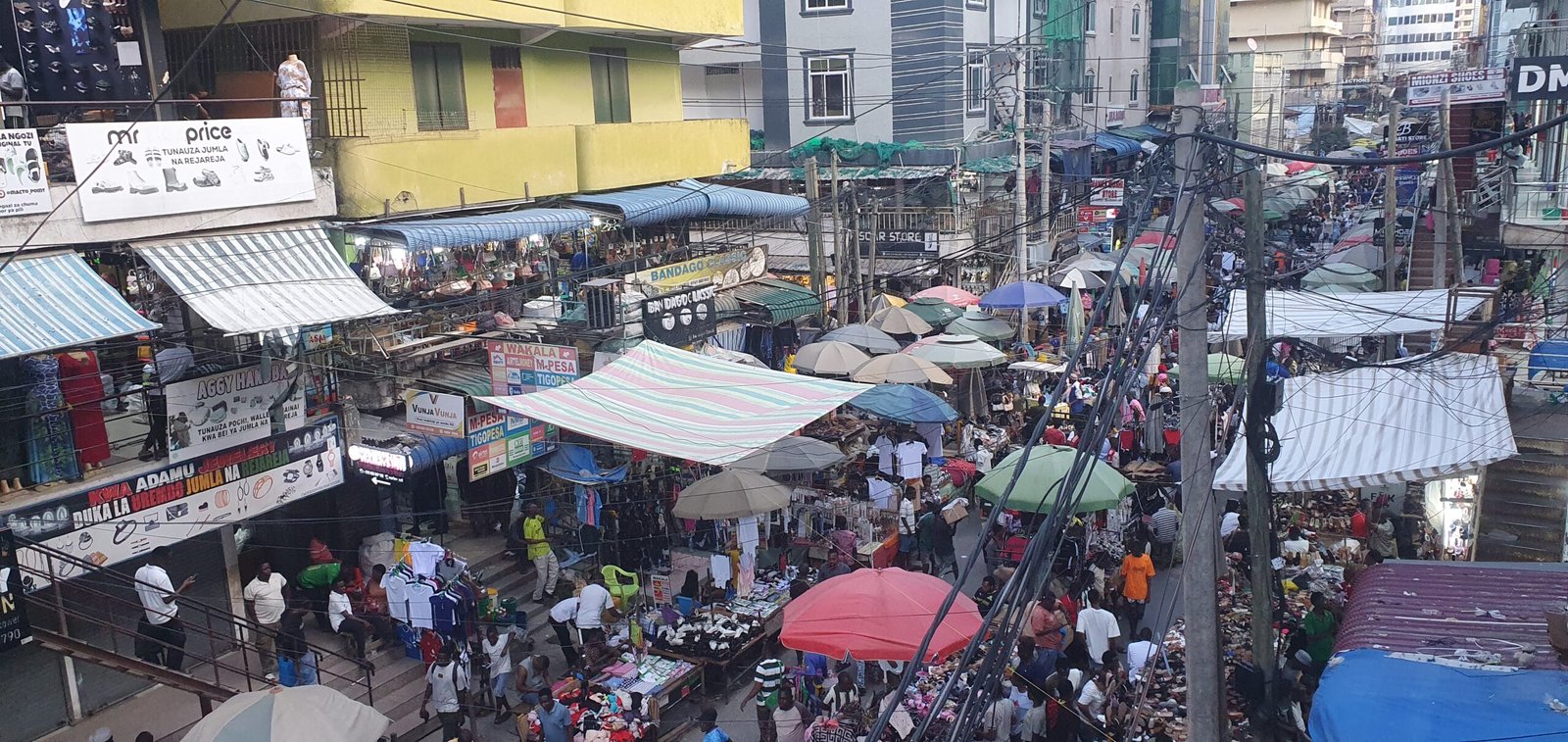
13. Kisutu Market

A vibrant market reflecting African urban life, local trade, and everyday economic activities.


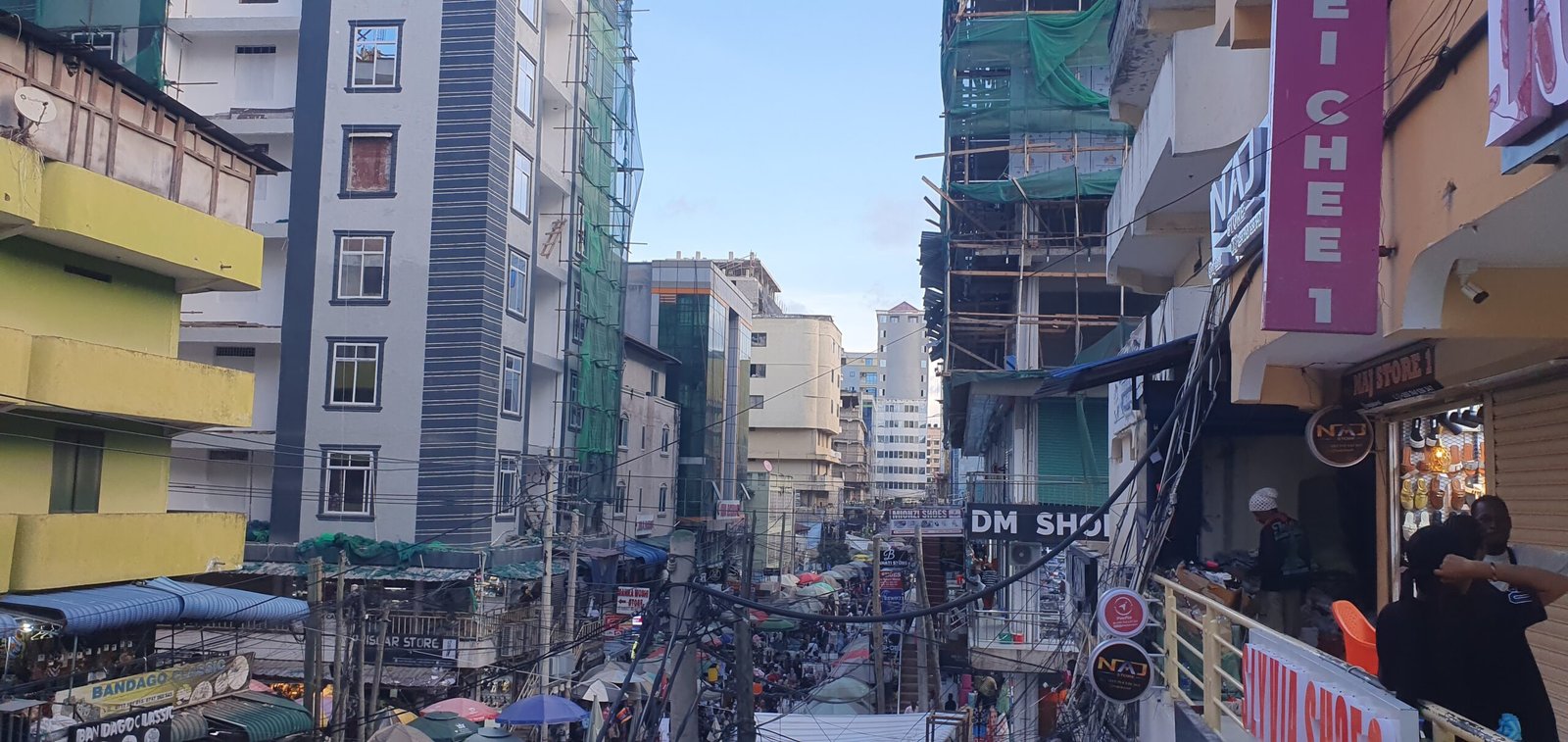
14. Kariakoo

The heart of African settlement and commerce during and after colonial rule. Learn about:

  • African resistance and adaptation

  • Urban migration

  • The role of markets in city life
    This marks the transition from the colonial core to the African zone.


Tour Ending

📍 Kariakoo Area

The tour concludes with a summary of how Dar es Salaam was historically divided into three zones—European, Asian, and African—and how these divisions continue to influence the city’s identity today.

Photos