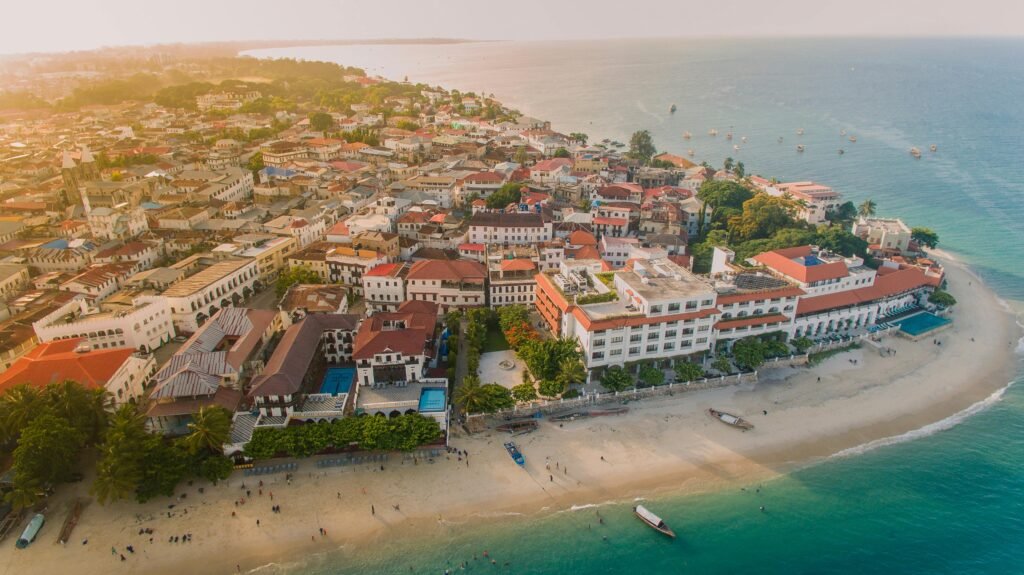
Dar es Salaam Historical Walking Tour (3 Hours)
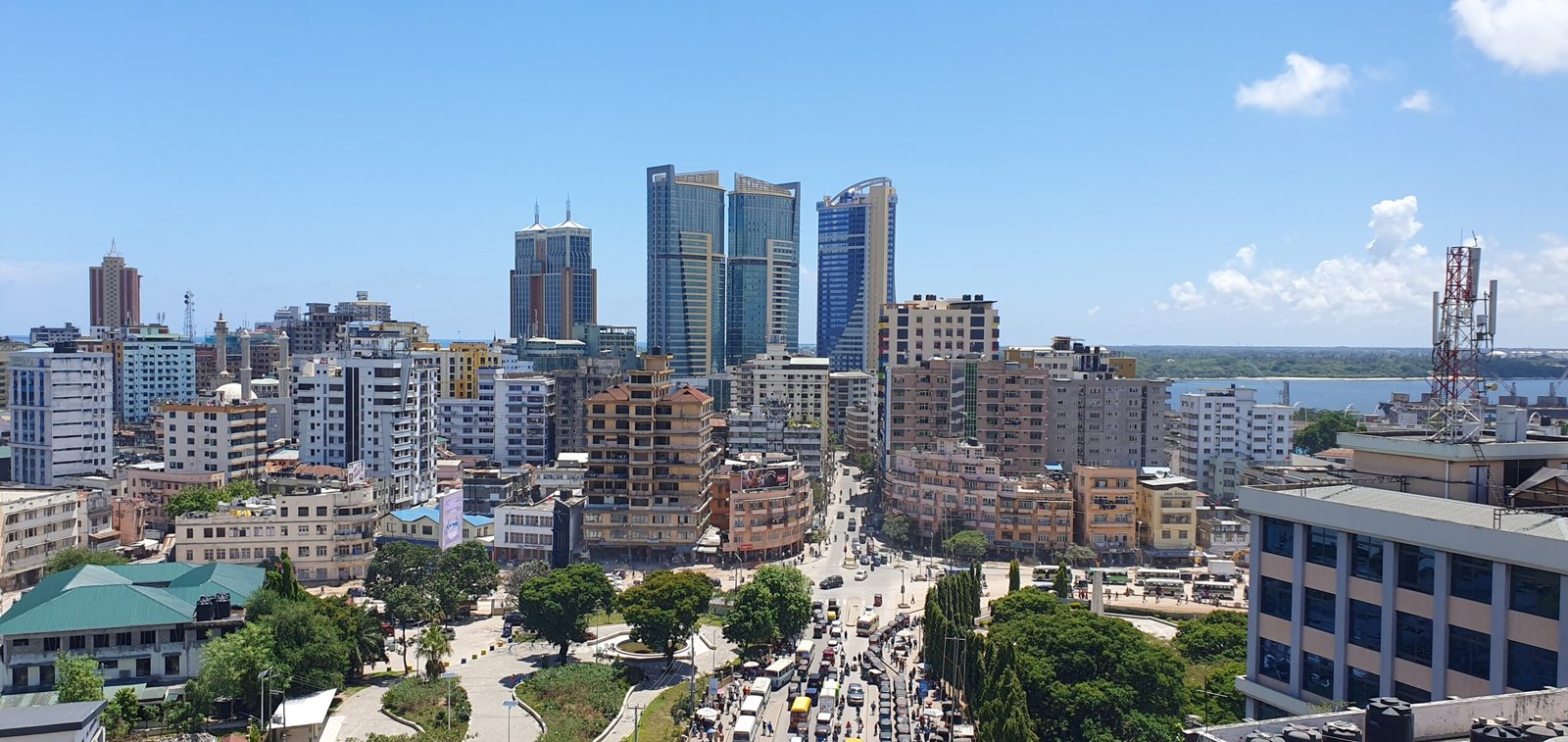
This walking tour takes visitors on a journey through the historical evolution of Dar es Salaam, from its pre-colonial Swahili roots, through Arab influence, to the German and British colonial periods. The tour helps visitors understand how the city developed and how it was historically divided into three main zones, each shaped by different communities, power structures, and urban planning systems.
Why This Tour Is Important
-
It explains how Dar es Salaam was formed and why it looks the way it does today
-
It shows the social and spatial segregation introduced during colonial rule
-
Visitors learn about Swahili culture, trade, religion, and architecture
-
It connects historical events to modern Dar es Salaam life
-
Ideal for history lovers, students, cultural tourists, and first-time visitors
Tour Structure & Key Zones
1. Pre-Colonial & Swahili–Arab Zone (Old Coastal Settlement)
Key Focus: Swahili culture, Arab traders, early urban life
Visitors begin by learning about the area before colonial rule, when Dar es Salaam (originally Mzizima) was a small Swahili fishing and trading settlement.
Key highlights may include:
-
Early Swahili coastal life and Indian Ocean trade
-
Role of Sultan Majid of Zanzibar, who named Dar es Salaam (“Haven of Peace”)
-
Arab influence on religion (Islam), language (Kiswahili), and architecture
-
Historic mosques and old trading routes
-
Traditional Swahili urban organization
Learning outcome:
Visitors understand Dar es Salaam’s African and Arab foundations before European rule.
2. Colonial Administrative Zone (European Quarter)
Key Focus: German and British colonial planning & governance
This zone was developed by German colonial authorities and later expanded by the British. It was reserved mainly for Europeans and colonial administration.
Key highlights may include:
-
German colonial buildings and institutions
-
British administrative structures
-
Churches, courts, and government buildings
-
European urban planning concepts (wide streets, official quarters)
-
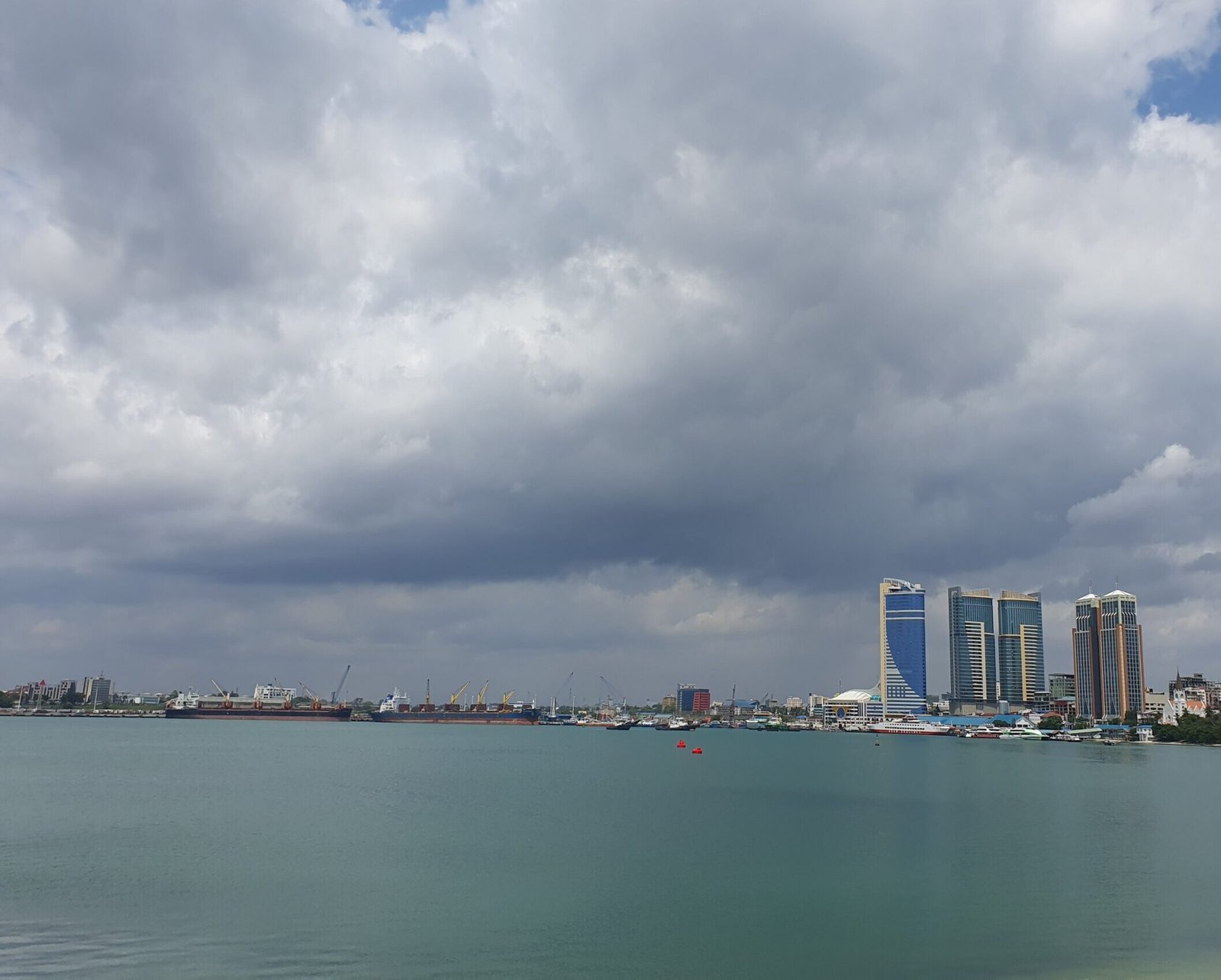
The port and railway’s role in colonial economy
Learning outcome:
Visitors learn how colonial powers reshaped the city for control, trade, and administration.
3. Asian & African Residential Zone
Key Focus: Social segregation and multicultural life
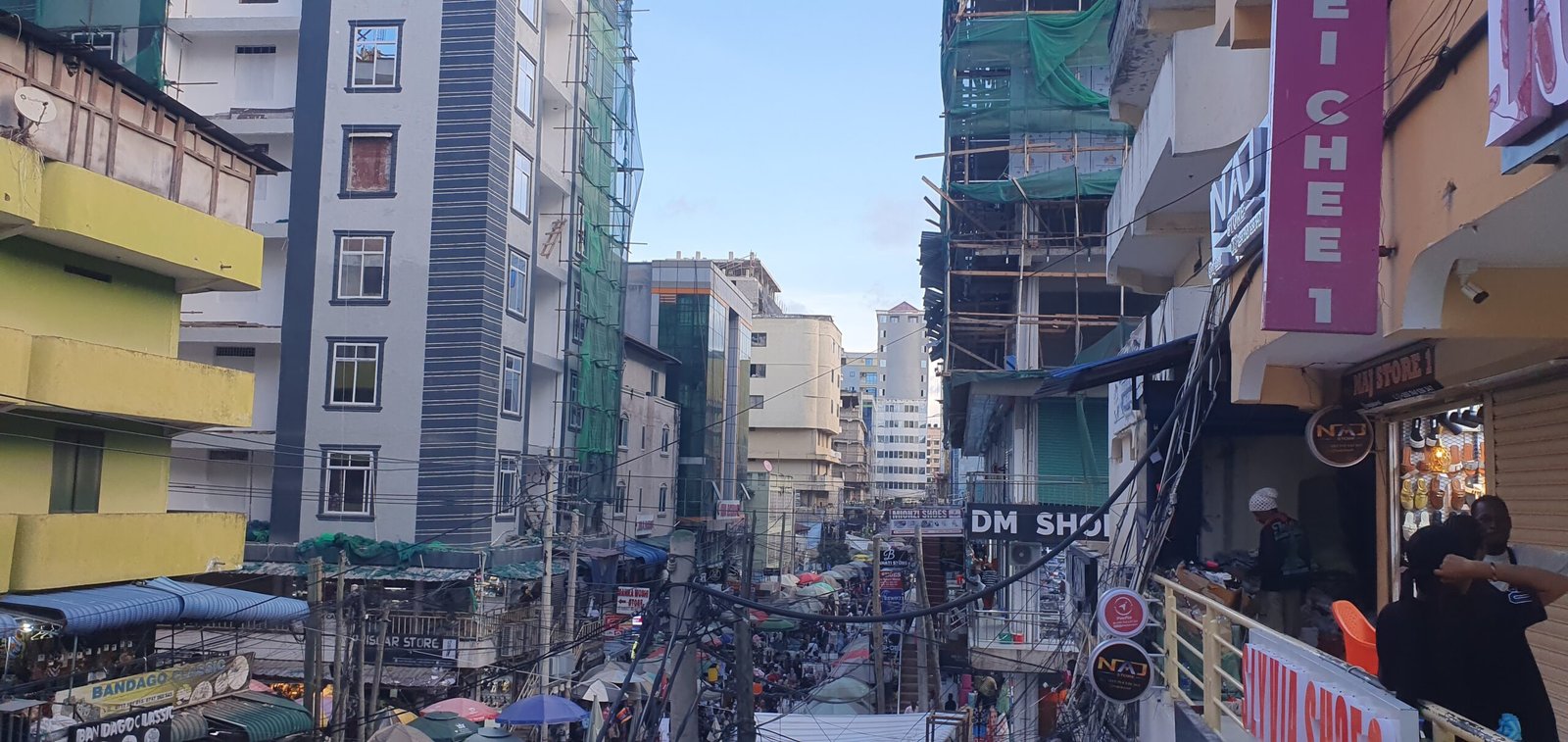
This zone illustrates how colonial authorities divided the city based on race and economic roles.
Key highlights may include:
-
Areas historically occupied by Asian traders (Indian, Goan communities)
-
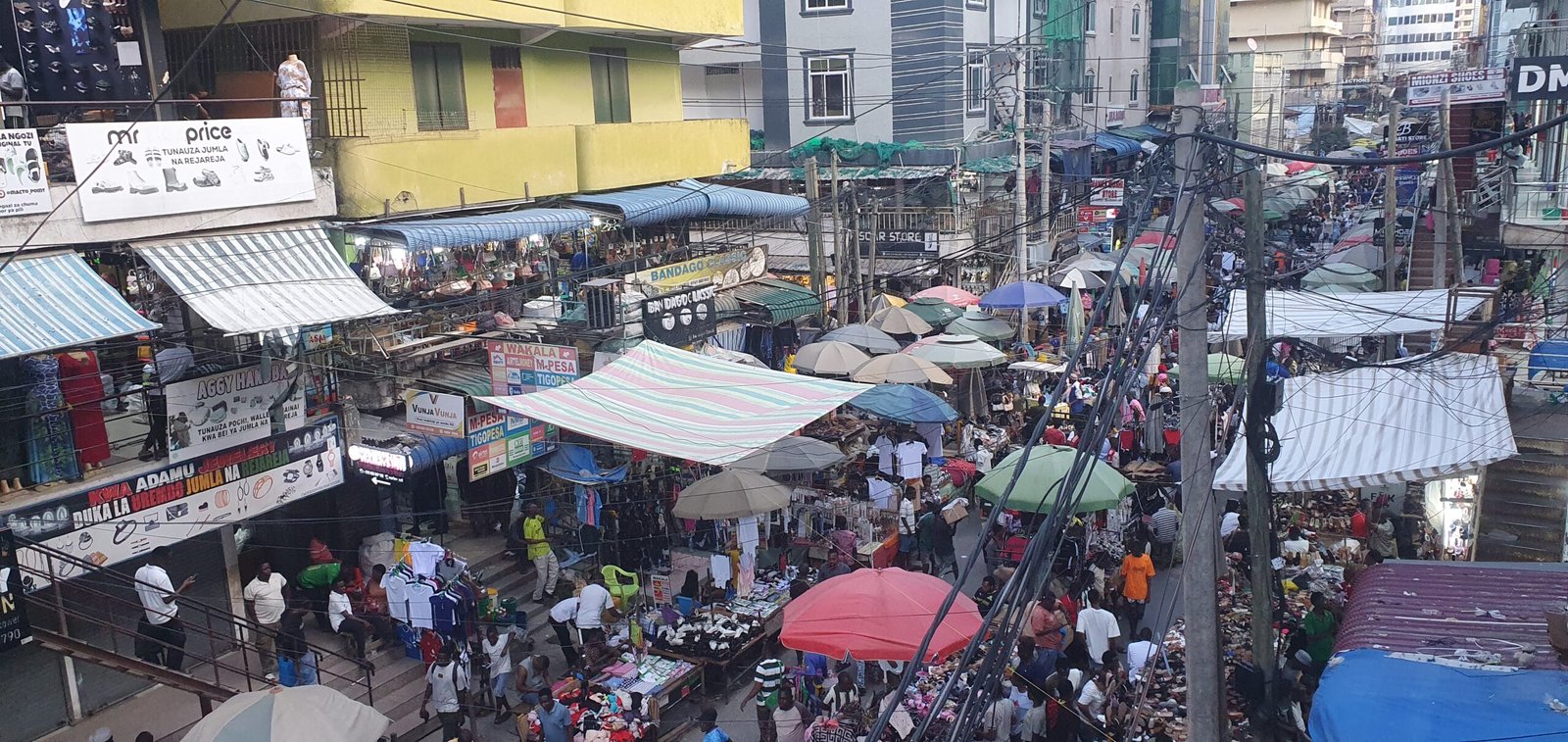
African residential neighborhoods and labor areas
-
Markets, shops, and trading streets
-
Stories of coexistence, resistance, and adaptation
-
Contribution of Asian and African communities to the city’s economy
Learning outcome:
Visitors understand how Dar es Salaam was divided into three zones—European, Asian, and African—and how these divisions still influence the city today.
Tour Conclusion
The tour ends with a reflection on how pre-colonial traditions, Arab trade networks, and colonial urban planning together shaped modern Dar es Salaam. Visitors leave with a deeper appreciation of the city’s layered history, cultural diversity, and resilience.
TOUR PRICE
Solo Traveler $45
- 2 -5 Travelers $ 30 per person
- 6 – 15 Travelers $ 20 per person