
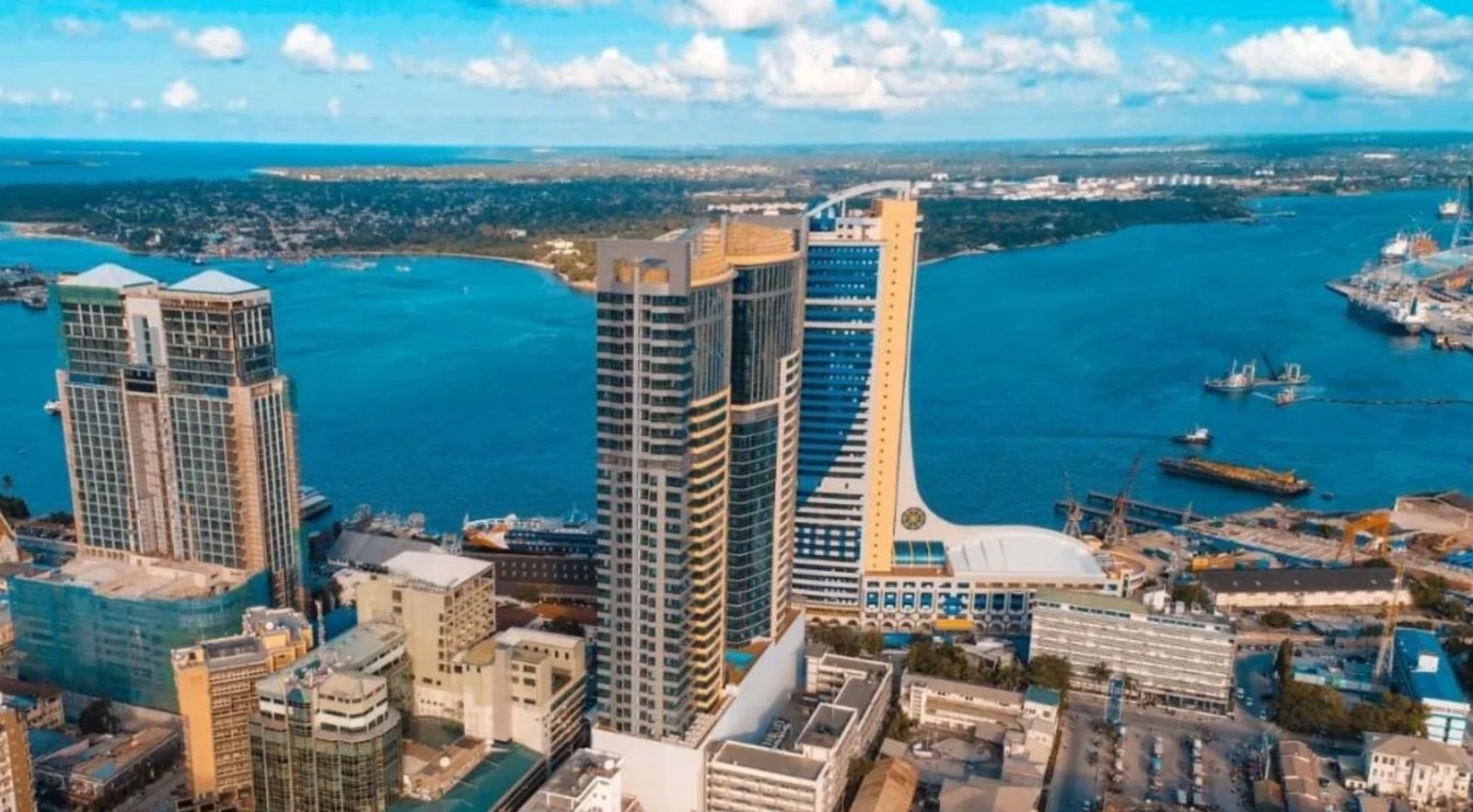
Dar es Salaam, often simply called “Dar,” is Tanzania’s largest city and commercial capital. Nestled along the Indian Ocean coast, this bustling metropolis is a melting pot of cultures, cuisines, and traditions. With its mix of modern skyscrapers, colonial-era architecture, lively markets, and stunning beaches nearby, Dar es Salaam is not just a gateway to Tanzania’s safari parks and islands but a destination worth exploring in its own right.
A Brief History
The name Dar es Salaam comes from Arabic, meaning “Haven of Peace.” It was founded in the mid-19th century by Sultan Majid of Zanzibar, who wanted to establish a new port city on the mainland. Later, during German colonial rule, it became the administrative capital of German East Africa. The British continued its development during their mandate, and after Tanzania’s independence in 1961, Dar grew into the nation’s largest urban hub.
Although Dodoma is Tanzania’s official capital, Dar es Salaam remains the country’s economic, cultural, and transportation heart.
The Cultural Mosaic of Dar es Salaam
Dar is home to more than 6 million people and reflects Tanzania’s diversity. The city’s population is made up of Swahili, Arab, Indian, and African communities, each leaving their mark on the city’s food, architecture, and traditions. Walking through Dar, you’ll hear Swahili, English, and other local languages blending together, creating a truly cosmopolitan atmosphere.
Things to See and Do in Dar es Salaam
1. Kariakoo Market – The Beating Heart of the City
Kariakoo is Dar’s busiest and most famous market. Here, vendors sell everything from fresh fruits, vegetables, and spices to clothes, electronics, and household goods. The market is chaotic yet fascinating, offering a glimpse of daily life in Tanzania.
2. The National Museum of Tanzania
This museum showcases Tanzania’s rich history, from fossils discovered by Louis and Mary Leakey to exhibits on colonialism, independence, and cultural traditions. It’s an excellent starting point for anyone wanting to understand the country’s heritage.
3. Askari Monument
Located at a busy roundabout in the city center, this bronze statue commemorates African soldiers who fought for the British in World War I. It’s one of the most recognizable landmarks in Dar.
4. Kivukoni Fish Market
If you want to experience authentic Dar es Salaam, head to the Kivukoni Fish Market early in the morning. Fishermen bring in their catch of the day – tuna, snapper, octopus, prawns – and auction it off in a lively scene.
5. Coco Beach (Oyster Bay)
A popular hangout spot for both locals and visitors, Coco Beach offers golden sands and a lively atmosphere, especially on weekends. Street food vendors, music, and ocean breezes make it a perfect spot to relax.
6. Mwenge Carvers Market
This open-air market is where local artisans sell hand-carved wooden sculptures, masks, jewelry, and traditional paintings. It’s a great place to pick up souvenirs while supporting local craftsmanship.
7. Village Museum
Located on Bagamoyo Road, the Village Museum is an open-air museum showcasing traditional Tanzanian huts from different tribes, along with cultural performances like music and dance.
8. St. Joseph’s Cathedral
Built by German missionaries in the late 19th century, this Roman Catholic cathedral in Gothic style remains one of Dar’s most beautiful pieces of architecture.
Nearby Attractions
Dar es Salaam also serves as a base for exploring nearby attractions:
- Mbudya Island & Bongoyo Island: Part of the Dar es Salaam Marine Reserve, these islands are just a short boat ride away. Visitors enjoy snorkeling, swimming, and fresh seafood on the beach.
- Bagamoyo: A historic town about 75 km north of Dar, once a major slave and trade port. Today, it’s a UNESCO World Heritage candidate with old ruins and cultural sites.
- Pugu Hills Nature Reserve: One of the world’s oldest forests, home to rare bird species and scenic hiking trails.
Food and Cuisine
Dar es Salaam’s food scene is a delightful blend of Swahili, Indian, and international influences. Some must-try experiences include:
- Swahili street food: Chipsi mayai (French fries omelet), mishkaki (grilled skewers), and Zanzibar mix (a spicy soup with fritters).
- Indian cuisine: A legacy of the large Indian community, with curries, biryanis, and samosas widely available.
- Seafood: Fresh fish, prawns, and octopus dominate menus, thanks to the city’s coastal location.
- Cafés and fine dining: From rooftop restaurants with ocean views to small roadside stalls, Dar offers food for every budget.
Nightlife and Entertainment
Dar’s nightlife is lively and diverse, with beach clubs, rooftop bars, and live music venues. Coco Beach and Slipway are popular evening spots, while local clubs feature Bongo Flava (Tanzania’s unique music genre), Afrobeat, and traditional dance.
Economy and Modern Life
Dar es Salaam is Tanzania’s financial hub, home to banks, corporate headquarters, and one of the busiest ports in East Africa. The city continues to grow rapidly, with modern skyscrapers rising alongside older colonial buildings. Despite the fast-paced urban life, Dar retains a laid-back coastal vibe, making it more relaxed compared to other global megacities.
Practical Travel Information
- Best Time to Visit: June to October (dry season) is ideal, though Dar can be visited year-round.
- Transport: Bajajis (three-wheelers), dala-dalas (minibuses), taxis, and ride-hailing apps are common. Traffic can be heavy, so plan accordingly.
- Accommodation: Ranges from luxury hotels like the Hyatt Regency and Serena Hotel to budget guesthouses and hostels.
- Safety: Like any big city, it’s wise to be cautious with valuables, especially in crowded areas.
Why Visit Dar es Salaam?
Dar es Salaam may not have the fame of Zanzibar or Serengeti, but it offers something equally special – a true taste of Tanzanian life. From the buzzing markets of Kariakoo to the calm of Mbudya Island, from spicy street food to cultural museums, Dar is a city of contrasts and experiences. It’s a place where tradition and modernity meet, creating a dynamic atmosphere that reflects the soul of Tanzania.
Final Thoughts
Dar es Salaam is more than just a stopover on the way to safari parks or Zanzibar – it is a city full of energy, culture, and hidden gems. Whether you’re exploring its markets, enjoying fresh seafood by the ocean, or dancing to Bongo Flava beats at night, Dar offers a unique introduction to Tanzania.
If you want to truly understand the heart of this East African nation, spend time in Dar es Salaam – the city where Tanzania comes alive.