
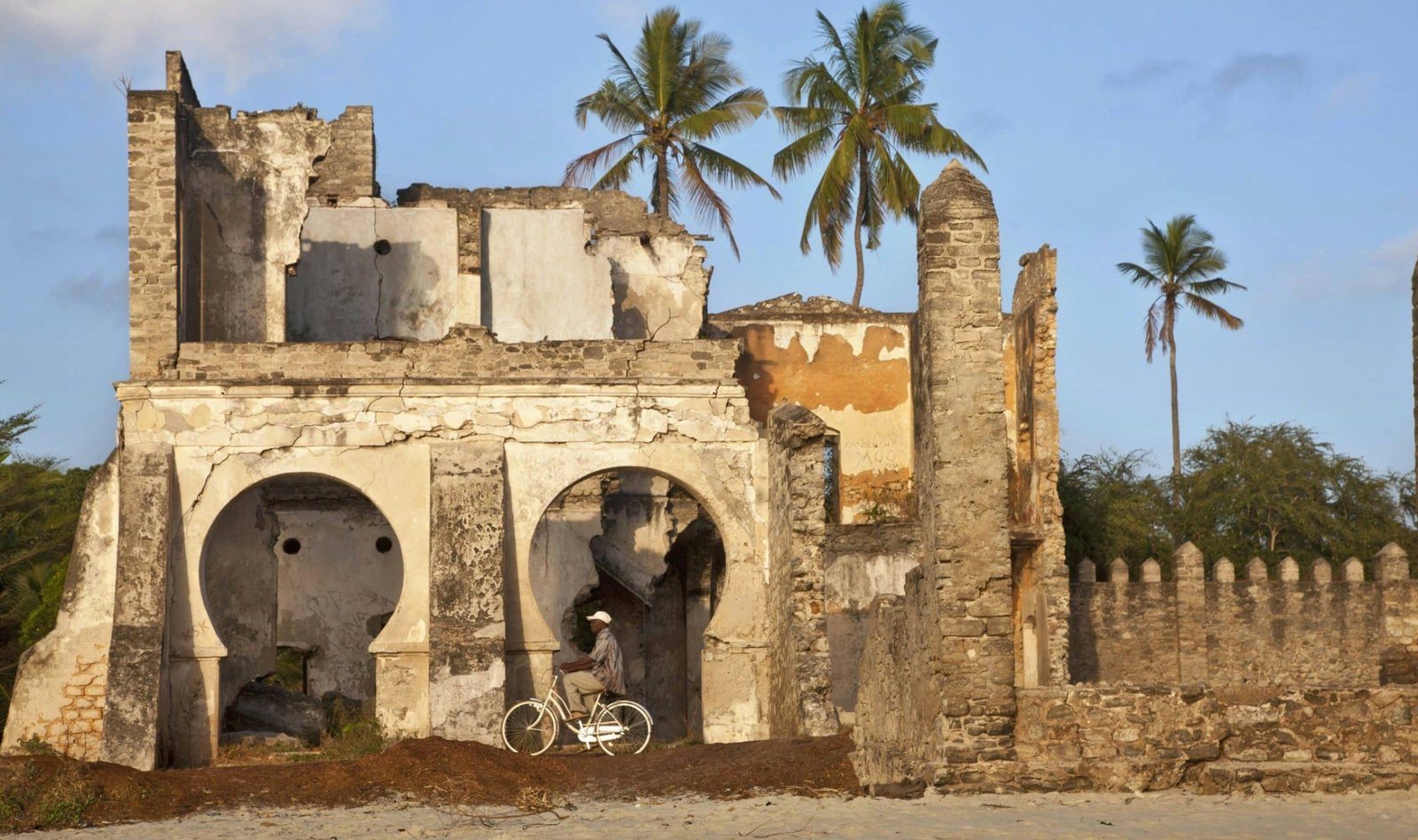
Nestled along the Indian Ocean, about 75 kilometers north of Dar es Salaam, lies Bagamoyo, a coastal town rich in history, culture, and natural beauty. Once a bustling trade center and an entry point for missionaries and explorers, Bagamoyo is today a tranquil destination where visitors can journey back in time and experience a blend of Swahili heritage, colonial influences, and serene coastal life.
A Town Steeped in History
The Slave Trade Legacy
Bagamoyo was one of the most significant ports along the East African coast during the 18th and 19th centuries. It served as a major hub for the ivory and slave trade, where enslaved Africans were brought from the interior and marched to the coast before being shipped across the Indian Ocean to Zanzibar, the Middle East, and beyond.
The very name “Bagamoyo” is believed to mean “Lay down your heart” in Kiswahili, a somber reflection of the pain and loss experienced by countless people who passed through this town. Today, visitors can explore this dark history through landmarks such as the Old Slave Market and Caravan Serai, where enslaved individuals were housed before being transported.
The Influence of Missionaries and Explorers
In the late 19th century, Bagamoyo became a significant base for missionaries, especially the Catholic Mission of the Holy Ghost Fathers, established in 1868. This was one of the earliest missionary centers in East Africa and played a vital role in education and the fight against slavery.
Bagamoyo also served as a gateway for European explorers venturing into the interior of Africa. The legendary explorer Dr. David Livingstone’s body was brought to Bagamoyo from Zambia before being shipped to Britain. His journey is still remembered at the mission grounds, where his body rested overnight.
Cultural Heritage and Attractions
Bagamoyo Old Town
The old town is a labyrinth of narrow streets lined with ancient Swahili, Arab, Indian, and German colonial buildings, many of which still stand today. These structures, though weathered by time, tell stories of centuries of trade and cultural exchange. Walking through the old town feels like stepping into the past.
Kaole Ruins
Just outside Bagamoyo lie the Kaole Ruins, dating back to the 13th century. These remnants of an ancient Arab settlement include mosques, tombs, and coral stone buildings. The ruins provide a fascinating insight into the early Arab-Swahili civilization that flourished long before European colonial powers arrived.
Bagamoyo Arts and Culture
Bagamoyo is known as a cradle of Tanzanian art and culture. It is home to the Bagamoyo Arts College (TaSUBa – Taasisi ya Sanaa na Utamaduni Bagamoyo), where traditional music, dance, drama, and visual arts are taught. Visitors can attend live performances showcasing ngoma dances, drumming, and acrobatics, which reflect Tanzania’s rich cultural diversity.
Every year, Bagamoyo hosts the Bagamoyo International Arts Festival, attracting artists and performers from across Africa and beyond. It’s a vibrant celebration of creativity that draws tourists and locals alike.
Natural Beauty and Coastal Charm
Beaches
Bagamoyo’s coastline is serene, with quiet sandy beaches fringed by palm trees. Unlike the bustling resorts of Zanzibar, Bagamoyo’s beaches are peaceful and largely untouched, making them perfect for relaxation. Visitors can also enjoy dhow rides on the Indian Ocean, fishing, or just soaking in the tranquil views.
Marine Life
The warm coastal waters around Bagamoyo are rich in marine biodiversity. Activities like snorkeling, swimming, and exploring nearby fishing villages offer a closer connection with local life and nature.
Bagamoyo Today
Though Bagamoyo is no longer the busy port it once was, it remains an important cultural and historical destination in Tanzania. The town is slowly gaining recognition as a UNESCO World Heritage Site nominee, with efforts to preserve its historic structures and heritage sites. Tourism, art, and fishing form the backbone of the local economy today.
Why Visit Bagamoyo?
Bagamoyo offers something unique that few other destinations in Tanzania can:
- A profound historical experience, tied to the stories of the slave trade, missionaries, and explorers.
- A living cultural hub, where art, music, and traditions thrive.
- A peaceful coastal escape, with quiet beaches far from the crowds.
It is a place where past and present coexist, giving visitors the opportunity to reflect, learn, and enjoy.
Conclusion
Bagamoyo is more than just a stop along the Tanzanian coast—it is a symbol of history, resilience, and cultural richness. From its role in global trade routes to its place in the struggle against slavery, Bagamoyo has played a pivotal role in shaping East Africa’s past. Today, it invites travelers to discover its ruins, explore its art, and unwind along its shores.
A visit to Bagamoyo is not only a journey into Tanzania’s past but also a chance to appreciate the vibrant culture and warm hospitality that continue to define this coastal gem.